When a new hazard is introduced in the workplace, assumptions about existing PPE may not be enough. Maybe a new chemical is added to a process or maintenance task change. Perhaps a new piece of equipment, raw material, or cleaning agent creates exposure risks that were not present before. No matter the scenario, safety managers need to step back, evaluate the change, and determine whether current controls and protective equipment still match the hazard.
This is where a risk assessment becomes essential.
A quick note on terms. A hazard assessment identifies what workers could be exposed to, and it is the step OSHA requires before selecting PPE. A risk assessment goes further by evaluating how likely that exposure is, how severe it could be, and what controls are needed as a result. When something changes in the workplace, both come into play. The hazard assessment tells you what is new, and the risk assessment tells you what to do about it.
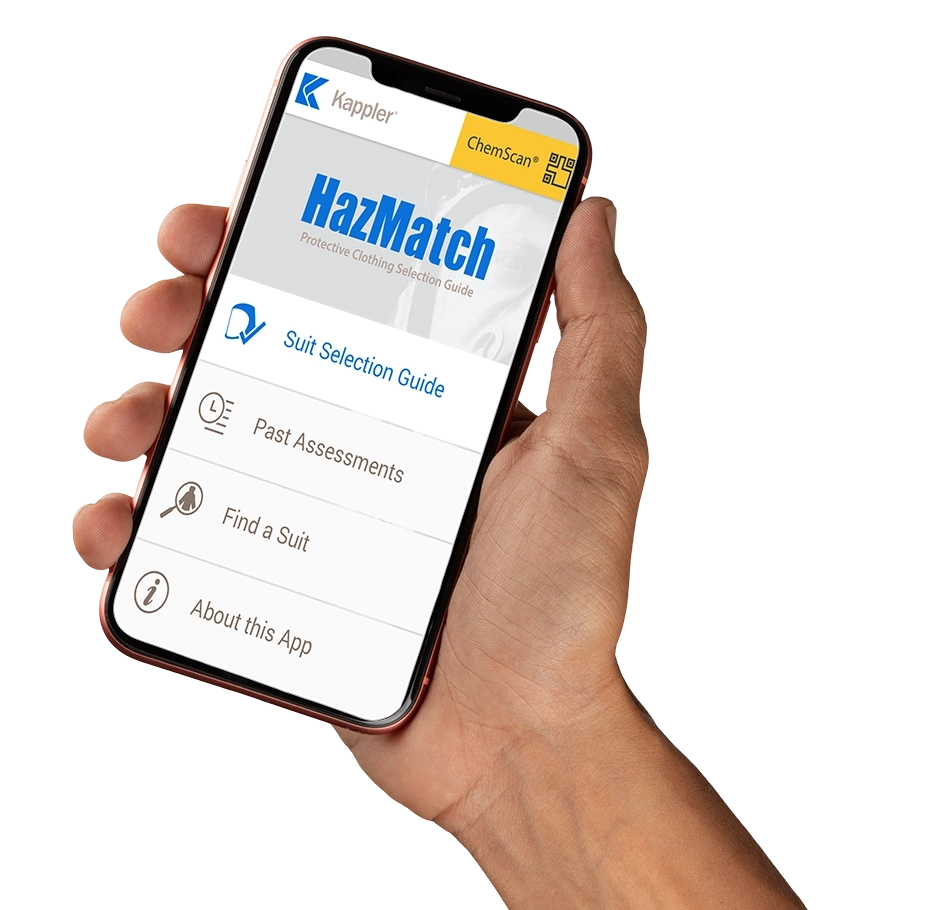
In this article, let us walk you through the questions safety professionals should ask when a new hazard or chemical is introduced, the logic used to evaluate risk, and how to determine which PPE may be appropriate for the job. We will also show how Kappler resources like HazMatch® can support the decision-making process.
Why New Hazards Require a Fresh Risk Assessment
When workplace conditions change, the original hazard assessment may no longer reflect actual risk.
Relying on old assumptions can leave gaps in protection. A fresh risk assessment helps safety teams verify whether existing engineering controls, administrative controls, and PPE still align with the hazard. Essentially, it helps answer a practical question every safety manager faces:
What PPE works best for this new hazard or chemical in this specific work environment?
Questions to Ask When a New Hazard Is Introduced
Before choosing PPE, safety managers should slow down to ask the right questions about the hazard, the task, and the exposure potential.
1. What exactly is the hazard?
Start by clearly defining what is new.
- A chemical
- A biological hazard
- A particulate
- A thermal hazard
- A physical hazard
- A multi-hazard situation involving more than one type of exposure
The more specific the hazard definition, the easier it becomes to evaluate appropriate controls and identify which type of protective apparel may be needed.
2. What do the SDS, technical data, or manufacturer recommendations say?
If the new hazard involves a chemical, review the Safety Data Sheet and any available technical documentation to establish a baseline. However, it should still be evaluated in the context of the actual task being performed. Look for information related to the following:
- Health hazards
- Routes of exposure
- Reactivity
- Recommended handling procedures
- Required protective measures
- Decontamination or spill response needs
3. What task is being performed?
PPE should not be selected based on the substance alone but also on how the substance or hazard is encountered during the job.
- Is this a routine production task or a non-routine task?
- Is it maintenance, cleanup, sampling, transfer, or emergency response?
- How long will the worker be exposed?
- How frequently will the task be performed?
- Will the worker be stationary or moving through different environments?
4. How could workers be exposed?
Not every hazard creates the same kind of exposure. Consequently, safety managers should consider whether workers may be exposed through splash, spray, immersion, or other forms of exposure.
Probability of contact is a critical factor in PPE selection. A task involving incidental splash may require a different level of protection than one involving sustained contact or emergency response.
5. How severe could the exposure be?
Consider both likelihood and consequence. A low-probability event may still require significant protection if the consequences are severe. Likewise, repeated low-level exposures may still create meaningful risk over time.
6. What body areas need protection?
Not all hazards require full-body protection. Some may primarily threaten the hands, eyes, or respiratory system. Others may require broader protection across multiple body areas. The goal is to match the PPE ensemble to the actual exposure profile rather than overgeneralizing.
7. Are multiple hazards present at once?
Some of the most important PPE decisions happen when the hazard is not singular. When multiple hazards are present, safety teams need to evaluate the full exposure scenario rather than treating each risk in isolation.
Understanding the Risk Assessment Process
A strong risk assessment helps safety professionals move from hazard identification to action. The goal is not only to document the hazard, but also to determine how to control it and whether additional PPE is needed based on the residual risk after other controls are considered.
| Step | Description |
| 1. Hazard Identification | Inventory all activities, materials, and work areas to identify potential hazards introduced by the new process, substance, or condition. Cross-functional input helps ensure important details are not missed. |
| 2. Risk Evaluation | Assess the likelihood and potential severity of exposure. Consider the task, the probability of contact, the duration of contact, and the consequences if existing controls are not sufficient. |
| 3. Implement Controls | Determine what controls should be used to reduce risk. This may include engineering controls, administrative changes, revised procedures, training updates, or PPE enhancements. |
| 4. Documentation | Documentation creates a reference point for future reviews and helps organizations demonstrate a consistent safety process. |
| 5. Review and Improve | Reassess regularly, especially when tasks change, incidents occur, or new information becomes available about the hazard or its exposure risks. |
Choosing PPE for a New Chemical or Hazard
When a new chemical or process is introduced, PPE selection (like our HazMatch recommendations) should be based on more than a product label or a general recommendation.
Safety professionals need to think through the below questions:
- What is the hazard’s physical state: solid, liquid, gas, or vapor-producing liquid?
- What is the hazard to the skin? Is it an irritant, toxic, or cancer agent?
- What is the probability of contact, and what is the level of exposure?
- How long will the exposure last?
- Are there tasks or environmental conditions that affect garment selection, such as heat stress, work near flame or hot surfaces, or extended wear time?
The right answer may vary significantly depending on the application. A low-level, limited-contact task may call for a different protective approach than emergency response, high-splash environments, or multi-hazard conditions.
Where Kappler Fits into the Decision Process
Kappler’s role in this process is not just providing protective apparel. It’s helping safety professionals think through hazard-specific protection more effectively.
Once a safety manager understands the nature of the new hazard, the next step is narrowing options based on the type of exposure, the task conditions, and the level of protection required. This is where Kappler resources can support the evaluation process.
Safety teams can start with Products by Hazard to explore garment options by exposure type, or use HazMatch® to support chemical protective apparel decisions. If the assessment points toward a fabric-first evaluation, Kappler also offers Search by Fabric to help narrow options by material and protection profile.
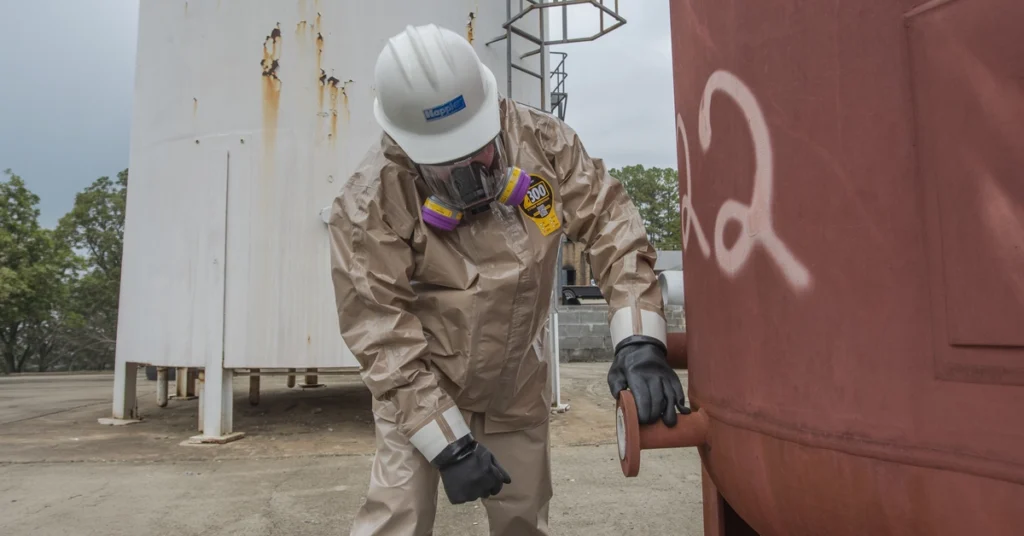
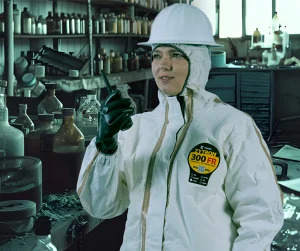
Different hazard assessments may point to different categories of apparel. For example, some situations may call for lighter, breathable protection such as ProVent® Plus, while higher-risk chemical or multi-hazard environments may require more robust options such as DuraChem® 500 or Zytron® 300 FR. The key is not starting with the product name, but with the actual exposure scenario and then matching protection accordingly.
Integrating Risk Assessments into Existing Protocols
Integrating new risk assessments into current safety protocols requires collaborative input from all levels within an organization. OSHA’s Recommended Practices for Safety and Health Programs emphasize worker participation as a core element of an effective program because the people closest to the task are often the first to spot what has changed. Though this approach takes time and effort, it reduces implementation friction and builds buy-in for new safety measures.
A complete risk assessment strategy combines compliance with proactive risk management. This involves using Hazard Incident Reporting to implement a structured, adaptable approach to workplace safety, ensuring all potential hazards are covered. Focusing only on compliance can limit the strategic benefits that a well-integrated safety approach offers.
Turning New Hazards into Better Safety Decisions
When a new hazard is introduced, the most effective response is a thoughtful risk assessment that includes asking the right questions, evaluating the actual exposure scenario, reviewing existing controls, and choosing PPE based on the real conditions workers face. The result is better, more informed decision-making.
For safety managers, this process is not just about compliance. It’s about making sure people are protected when something changes because when the hazard changes, the logic behind PPE selection should change with it.