PPE gear can stop a hazard only if its seams are equally tight. Tiny stitch holes or poorly sealed joints create the fastest “leak-paths” for chemicals, dust or pathogens. Even if the fabric offers the highest resistance to chemical permeation, if holes are present in the seam or there are gaps between the protective clothing and other PPE, then the substance will more readily and easily run through those openings. Below you’ll find a concise guide to help safety managers match the right PPE seam type to real-world risks.
What Are the Different Types of PPE Seams?
The most common types of seams are serged, bound, and taped seams. Let’s look at each one in more detail below.
Serged Seams
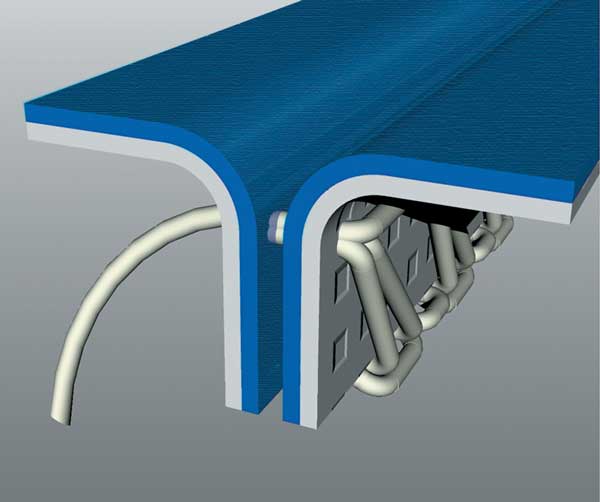
A serged seam is produced when three threads are interlocked around the raw edges of two pieces of fabric. For toxic and non-toxic particulates (dust, dirt and grime) plus residual liquids to light splash where no skin hazard is involved.
Serged seams offer better breathability, making them ideal for most job sites with low-level hazard exposure. PPE with this seam is generally more cost-effective since it requires fewer materials and manufacturing. However, serged seams can come undone over time. For example, if a worker wears PPE that is too small, they can put extra stress on the seam, causing it to split. If this happens, the garment should be replaced immediately. A stitched seam, whether bound or serged, is not sealed and has tiny stitch holes that are prone to open under stress and may allow more liquid or dust into the garment.
Therefore, when an application involves liquids or particulate hazards that can be harmful in small amounts, users should consider whether a garment with sealed seams (not serged or bound) should be used instead.
Recommendation: Used with ProVent® and Zytron® 100XP fabrics.
Bound Seams
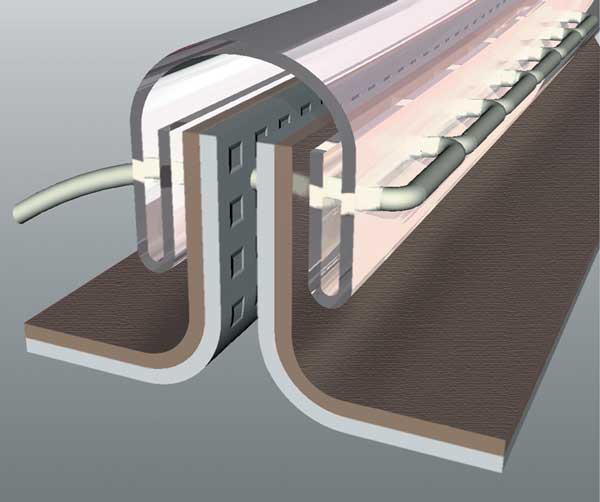
Bound seams offer a clean-finished binding which totally encloses the raw edges of two pieces of fabric. The binding is then sewn through all layers with a chain stitch. A bound seam is recommended for applications involving toxic and non-toxic particulates (dust, dirt and grime), residual liquids to light splash where skin hazard is involved, and moderate splash for non-skin hazards.
A bound seam is like a serged seam; however, it offers an extra layer of protection by sewing a strip of fabric over the top of the two edges of the fabric to bind it together. This not only helps increase the level of holdout against leakage of liquids or particles, but it also helps reinforce the seam for added strength. Bound seams provide a higher degree of liquid and particle holdout compared to serged seams, but they are also not liquid-tight.
Like serged seams, when an application involves liquids or particulate hazards that can be harmful in small amounts, users should consider whether a garment with sealed seams (not serged or bound) should be used instead.
Recommendation: Used with Zytron® 100XP fabric, Zytron® 200 fabric, and training suits.
Heat Sealed/Taped Seams
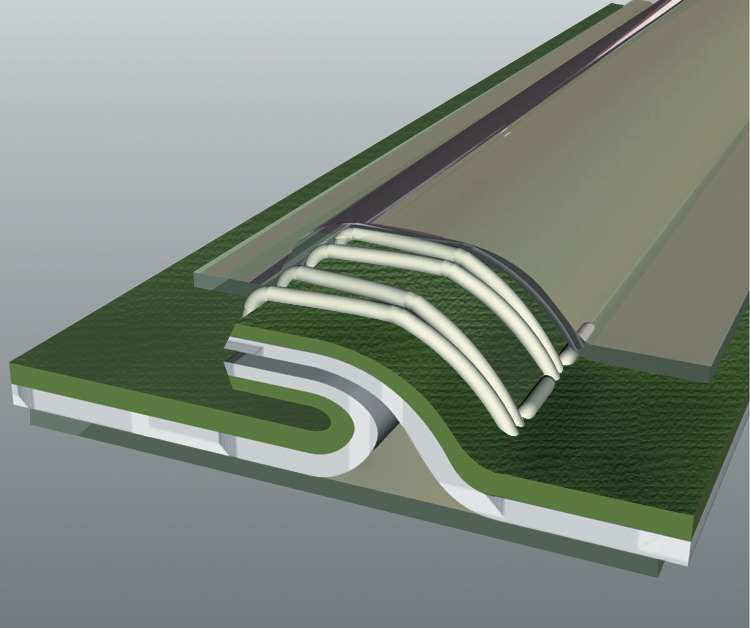
A very strong tight seam produced by covering a sewn seam with a strip of material compatible with the garment, either by hot air or adhesives. For toxic and non-toxic particulates, moderate to heavy splash where skin hazards are present or whenever hazardous vapors are a concern.
This seam type is fully sealed and impervious to penetration because the tape seals all holes created by the stitching. Used and required for all garments for higher hazard chemical protection.
Recommendation: Used with Zytron® 200-500 fabrics, Frontline® fabrics, and DuraChem® 200 & 500 fabrics.
Factors Influencing Seam Selection.
Type of Hazard
The nature of a specific chemical hazard plays a vital role in seam selection. The properties of the chemical (solid, liquid, gas) as well as the chemical’s potential interaction with the user (toxicity, corrosiveness, etc.) and if breakthrough were to occur, need to be part of the consideration. For example, if your chemical has high vapor pressure, and you need protection from that vapor, then a heat-sealed taped seam is the only one that can provide a vapor-tight closure.
- Liquids under pressure (acid transfer lines, high-energy wash-downs) demand taped seams.
- Fine particulates (lead dust, pharmaceutical powders) can often be stopped by bound seams but watch the dust’s toxicity threshold.
- Dry, bulky debris (such as sawdust) with low toxicity and minimal health risk may justify the economy of serged seams. The lower hazard level often does not require the added cost of bound or taped seam protection.
Probability of Contact and Exposure Factors
Seam selection is also dependent on the probability of contact (low, medium, high) and level of exposure (residual, light, moderate, heavy), as well as exposure time (less than 30 minutes, 60 minutes, 240 minutes and greater than 480 minutes (about 8 hours)).
As another example, a bound seam may be selected if there is only the potential of a light splash (a test tube worth) of a chemical that is not toxic and mildly corrosive. However, if there is more exposure (a 5-gallon bucket worth), the liquid could potentially soak through the bound seam and expose the wearer to the chemical. A taped seam would be a better choice for this scenario.
It is up to the Authority Having Jurisdiction (AHJ) to conduct the hazard assessment and determine the appropriate PPE for the chemical and work being performed.
Durability Needs
Bound and taped seams raise tensile strength by 25-300% compared with serged joints, making them better for repetitive kneeling, ladder work, or confined entry where seams are flexed and abraded.
Best Practices for Seam Selection and PPE Maintenance:
- Map the Process: Identify splash points, spray pressures, and particulate sizes before choosing a seam.
- Match Seam to Fabric: Pair high-barrier fabrics with equally protective seams. Using serged seams on premium fabric can compromise protection, so upgrade both for full effectiveness.
- Inspect Before Wearing: Check for skipped stitches, puckering, or tape lift in high-flex zones.
- Train for Removal: Most cross-contamination occurs while removing PPE.
- Store Correctly: Heat and UV degrade seam tape adhesives. Keep stock in a cool, shaded area. Follow regular inspection cycles and ensure proper folding and storage techniques. This information can be found in the individual garment’s User Manual.
Wrapping Up: Understand PPE Seam Types to Extend Garment Life.
Choosing the right PPE seam type is as critical as selecting the right fabric. Serged seams serve low-risk, low-cost needs. Bound seams balance strength and light splash protection. Taped seams provide the uncompromising barrier demanded by today’s high-hazard environments.
For an additional resource on seam construction and selection, explore our Product Guide. It covers the Three Steps to Suit Selection as well as a broad overview of Kappler products and fabrics.
Making the right seam and suit selection is more than a compliance step, it’s a critical safeguard that protects workers, budgets, and peace of mind in hazardous environments.