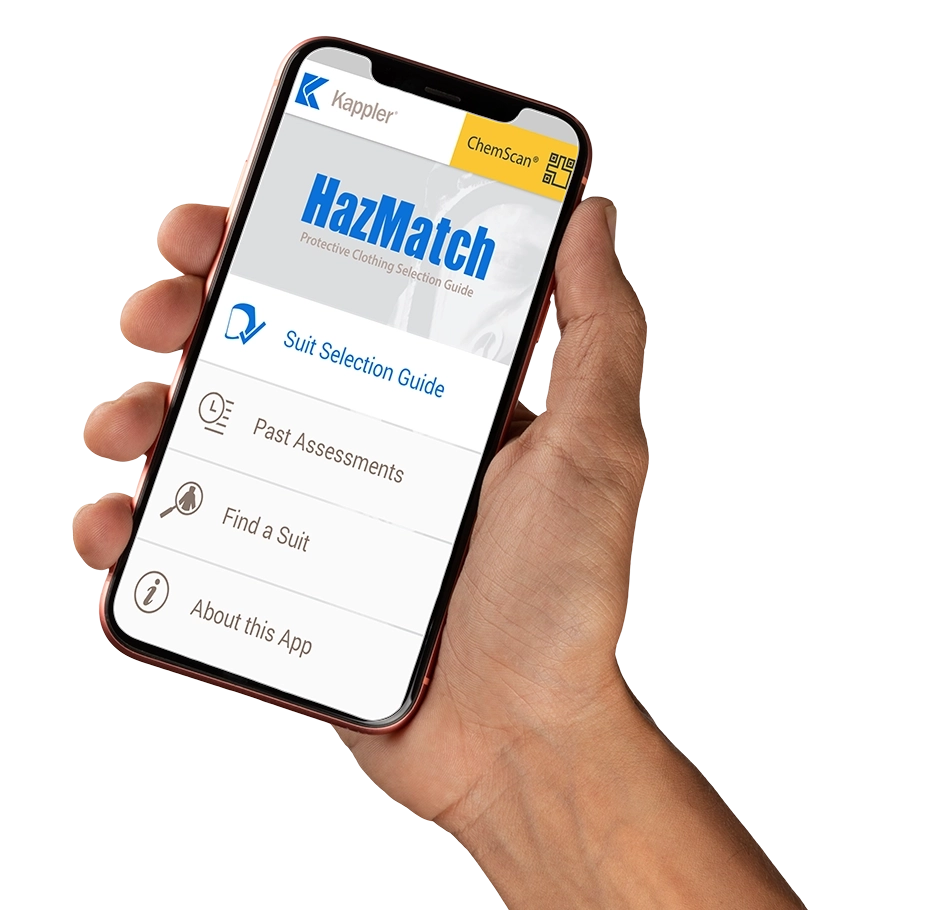
Hazard assessments are a critical component of a comprehensive safety management plan, helping to create a safer work environment and mitigate risks.
Properly handling workplace incidents requires diligence in documenting the incident, assessing the hazards involved, and implementing corrective actions. By following this guide, safety managers can ensure they are taking the necessary steps to protect their employees and maintain a safe workplace. Whether dealing with chemical hazards, physical dangers or other risks, this guide provides the tools and knowledge to handle hazard assessments effectively.
This article provides a detailed guide for safety managers including the following topics:
Understanding the Incident: Conducting a Hazard Assessment
Example Scenario: Applying the Hierarchy of Controls
Determining PPE or Garment Needs
Monitoring and Continuous Improvement to Avoid Future Hazard Incidents
Frequently Asked Questions (FAQs)
Understanding the Incident: Conducting a Hazard Assessment
Initial Response and Information Gathering.
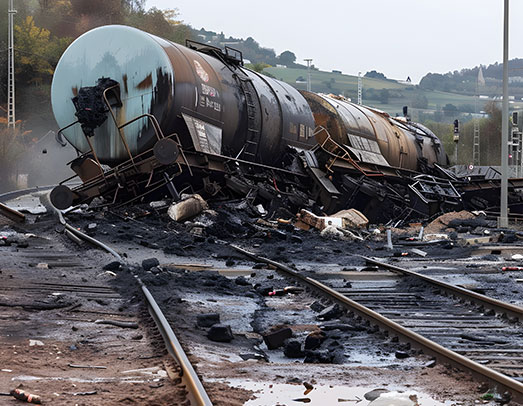
When an incident occurs in the workplace, the initial response is critical to ensuring the safety of all employees and securing the affected area. As a safety manager, you must act swiftly and efficiently to manage the situation and begin the process of gathering essential information. Here are key steps to follow:
Step 1: Secure the Area and Ensure Employee Safety
- Immediate Evacuation and First Aid: The first priority is to ensure the safety of all employees. If the incident involves hazardous chemicals or unsafe conditions, immediately evacuate the area. Administer first aid to any injured individuals and call for medical assistance if necessary.
- Isolate the Hazard: Contain the hazard to prevent further exposure or damage. This may involve shutting down equipment, sealing off affected areas, or using containment materials for chemical spills. Ensure that only trained personnel equipped with appropriate personal protective equipment (PPE) are involved in this process.
- Alert Supervisors and Emergency Response Teams: Notify supervisors and, if applicable, the company’s emergency response team. Ensure that all necessary internal and external communication protocols are followed to keep everyone informed and coordinated.
Step 2: Complete Incident Reports
- Document the Incident: As soon as the situation is under control, begin documenting the incident. This includes taking photographs, gathering witness statements, and recording the sequence of events. Detailed documentation is crucial for the hazard assessment and any future investigations.
- Fill Out Incident Reports: Complete your company’s internal incident report forms. These should include detailed information about the incident, including the date, time, location, individuals involved, and a description of what happened. Be as thorough as possible to ensure no details are overlooked.
Step 3: Follow OSHA Reporting Requirements

In the case of an industrial accident, certain forms must be completed to comply with Occupational Safety and Health Administration (OSHA) regulations. These forms help track workplace injuries and illnesses, and each has specific requirements depending on the nature of the incident:
- OSHA Form 300: This form is used to record all reportable injuries and illnesses. Each entry should include the injured employee’s name, the date of the injury, where the event occurred, and a description of the injury or illness.
- OSHA Form 300A: This form provides a summary of the total number of incidents recorded on Form 300. It must be completed annually and posted in a visible location within the workplace from February 1 to April 30 of the following year.
- OSHA Form 301: This form provides more detailed information about each incident recorded on Form 300. It includes details such as the circumstances of the incident, the nature of the injury or illness, and information about the affected employee. Form 301 must be completed within seven calendar days of receiving information that a recordable work-related injury or illness has occurred.
Step 4: Tailor Your Response as Necessary
The specific steps you take in response to an incident will depend on the type of incident and the corresponding OSHA requirements. For example:
- For chemical spills, ensure that Safety Data Sheets (SDS) are reviewed to understand the specific hazards and recommended response actions.
- For physical injuries, ensure that medical attention is provided immediately, and follow-up on any required medical treatments or evaluations.
- For near misses, document the incident thoroughly and analyze what could have happened to prevent future occurrences.
Conducting the Hazard Assessment
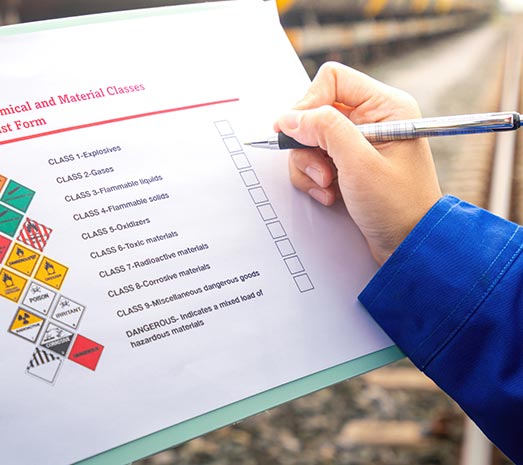
In the aftermath of a workplace incident, conducting a thorough hazard assessment is essential for identifying the root causes and implementing corrective actions to prevent future occurrences. This process, when properly aligned with OSHA’s 29 CFR 1910.132 Appendix B, helps ensure a safer work environment and compliance with safety regulations.
Here’s a step-by-step guide on how safety managers should conduct a hazard assessment after an incident:
Step 1: Root Cause Analysis
- Identify Immediate Causes: Begin by analyzing the incident reports gathered during the initial response. Identify the direct and immediate causes of the incident.
- Determine Underlying Causes: Look beyond the immediate causes to identify underlying issues that may have contributed to the incident. This could include inadequate training, lack of proper equipment, or unsafe work practices.
Step 2: Implement the Hierarchy of Controls
OSHA’s Hierarchy of Controls is a systematic approach to managing workplace hazards, ranked from most effective to least effective:
- Elimination: The most effective way to control a hazard is to eliminate it entirely. Determine if it is possible to remove the hazard from the workplace. For example, can the task be performed without using hazardous chemicals?
- Substitution: If elimination is not possible, consider substituting the hazardous element with a less dangerous one. This might involve using safer chemicals or less hazardous equipment.
- Engineering Controls: Implement physical changes to the workplace to reduce exposure to hazards. This can include installing ventilation systems to remove toxic fumes, adding guards to machinery, or redesigning workstations to improve ergonomics.
- Administrative Controls: Change the way people work by implementing new policies, procedures, and training programs. This can involve rotating job assignments to minimize exposure to hazards, enforcing safety protocols, or scheduling regular safety drills.
- PPE: When other controls are not sufficient, provide employees with appropriate PPE to protect them from hazards. Ensure that PPE is properly fitted, maintained, and employees are trained on its correct use.

Step 3: Detailed Documentation and Action Plan
- Document Findings: Record all identified hazards, the controls implemented, and the rationale for choosing those controls. This documentation should be thorough and include details of the hazard assessment process.
- Develop an Action Plan: Create a comprehensive action plan to address the hazards identified. This plan should include timelines, responsible parties, and specific actions to be taken for each identified hazard.
Step 4: Implementation and Communication
- Implement Controls: Put the chosen control measures into action. Ensure that all changes are effectively communicated to the workforce and that employees are trained on any new procedures or equipment.
- Engage Employees: Involve employees in the implementation process. Their feedback can provide valuable insights into the practicality and effectiveness of the control measures.
Example Scenario: Applying the Hierarchy of Controls
Imagine a scenario where an incident resulted in an employee suffering severe chemical exposure of sulfuric acid, 96% (CAS 7664-93-9). The employee was wearing chemical protection clothing that was resistant to the acid, and the seam type was rated for light splash protection. This was determined as the best PPE choice from the original assessment.
During work hours, the chemical splashes on to the floor in an area of light foot traffic (with the puddle to be mitigated by a different shift). Upon completion of the incident investigation, it was determined that the employee tripped and landed in a puddle of the chemical, which resulted in penetration through a garment seam.
Now let’s look at the hierarchy of controls to best see where a change in standard operating procedure (SOP) could be made, to avoid future incidents regarding sulfuric acid chemical burns:
Elimination: Can we remove the use of sulfuric acid from our process?
- Yes: Eliminate sulfuric acid; this hazard has been removed.
- No: Move to the next step for evaluation.
Substitution: Can we use different chemicals in the process that do not produce chemical burns on contact?
- Yes: Switch to a new chemical; this hazard has been removed.
- No: Move to the next step for evaluation.
Engineering Controls: Can we change the physical layout so that the chemical drains from the floor?
- Yes: Improve the location; this hazard has been avoided.
- No: Move to the next step for evaluation.
Administrative Controls: Can we install a barricade to keep workers out of the area?
- Yes: Install a barricade; this hazard has been avoided.
- No: Move to the next step for evaluation.
PPE: Can we select a PPE material that has sealed seams, offering protection for a longer duration of contact?
- Yes: Get PPE with sealed seams; hazard has been avoided.
- No: Move to a different type of PPE better suited for the hazard.
After reviewing the scenario and questions above, what choice would you make? Alternately, would you not change anything and attribute the incident to something else entirely? What other contributing factors could there be? If the employee has vision issues, and forgot to wear their prescription safety glasses, was the tripping purely accidental?
Determining PPE or Garment Needs.

When an incident occurs, one of the critical responsibilities of a safety manager is to reassess and determine the appropriate PPE or garment needs for employees. This process involves evaluating the specific hazards associated with the incident, understanding exposure levels, and ensuring that the selected PPE meets performance standards.
Here’s a detailed guide to help safety managers navigate this process effectively:
Step 1: Evaluate the Incident-Specific Hazards
- Identify the Hazard Type: Begin by categorizing the type of hazard involved in the incident. Hazards can range from chemical exposures, physical dangers, biological risks, to ergonomic and environmental factors. Understanding the specific nature of the hazard is essential for selecting the appropriate PPE.
- Assess Exposure Levels: Determine the level of exposure that employees might face in similar future incidents. This includes the duration of exposure, the concentration of hazardous substances, and the potential routes of exposure (e.g., inhalation, skin contact, ingestion).
Step 2: Selecting Appropriate PPE
Ensure that the selected PPE complies with relevant performance standards, such as those set by OSHA or the American National Standards Institute (ANSI), or other recognized standard-setting organizations. These standards provide guidelines on the effectiveness of PPE in protecting against specific hazards.
- Chemical Hazards: For chemical exposures, consider gloves, aprons, and suits made from materials resistant to the specific chemicals involved. For instance, nitrile gloves offer good protection against many solvents, while neoprene is suitable for acids and caustics.
- Physical Hazards: For risks involving impacts, cuts, or abrasions, select PPE such as hard hats, safety goggles, face shields, and cut-resistant gloves. Ensure that the PPE is rated for the specific level of protection required.
- Biological Hazards: When dealing with biological risks, PPE such as gloves, face masks, and full-body suits can provide necessary protection. The level of protection should match the severity and type of biological agent involved.
- Ergonomic and Environmental Hazards: For ergonomic risks, consider PPE that supports good posture and reduces strain, such as back supports or ergonomic harnesses. For environmental hazards like extreme temperatures, choose PPE designed to insulate against heat or cold.
Step 3: Customization and Fit
- Ensure Proper Fit and Comfort: The effectiveness of PPE is significantly influenced by its fit and comfort. PPE that is too loose or too tight can compromise safety and discourage consistent use. Conduct tests and evaluations to ensure that PPE fits each employee properly.
- Customization Options: Where necessary, customize PPE to accommodate individual needs. This might involve adjusting the size, adding extra padding, or choosing PPE with adjustable features. Customization helps enhance comfort and compliance.
- Training on Proper Use: Train employees on the correct way to wear, adjust, and maintain their PPE. This training should include demonstrations and practice sessions to ensure that all employees are comfortable and confident in using their PPE.
Monitoring and Continuous Improvement to Avoid Future Hazard Incidents.

Ongoing monitoring and continuous improvement are vital components of an effective safety management program. After implementing new PPE and safety protocols, it is crucial to ensure their effectiveness and make adjustments as needed. This proactive approach helps in maintaining a safe workplace and preventing future incidents.
Here’s how safety managers can achieve this:
Ongoing Monitoring of PPE and Safety Protocols
- Evaluate Effectiveness: Regularly assess the effectiveness of the new PPE and safety protocols. This involves observing workplace practices, conducting regular inspections, and reviewing incident reports to ensure that the implemented measures are working as intended.
- Key Metrics and Indicators: Develop key performance indicators (KPIs) to measure the success of safety interventions. Metrics such as the number of incidents, near misses, and PPE compliance rates can provide valuable insights into the effectiveness of the safety measures.
- Routine Inspections: Conduct routine inspections to ensure that the PPE is in good condition and that safety protocols are being followed. These inspections should be documented and any issues identified should be addressed promptly.
Monitoring PPE Usage
- Proper Donning and Usage: It is essential to monitor employees to ensure they are donning and using PPE correctly and consistently. This can be achieved through regular spot checks, observations, and training sessions.
- Training and Reinforcement: Regularly train employees on the correct use and maintenance of PPE. Reinforce the importance of PPE compliance through ongoing education and by setting an example at the management level.
- Compliance Audits: Perform compliance audits to verify that employees are adhering to PPE protocols. These audits can help identify gaps in compliance and areas where additional training or support may be needed.
Soliciting and Utilizing Employee Feedback
- Encourage Feedback: Create an environment where employees feel comfortable providing feedback on PPE and safety protocols. This can be done through anonymous surveys, suggestion boxes, or regular safety meetings.
- Act on Feedback: Actively use the feedback to make necessary adjustments and improvements. If employees report issues with the fit, comfort, or effectiveness of PPE, take steps to address these concerns promptly. This not only improves safety but also increases employee buy-in and compliance.
- Involve Employees in Safety Planning: Involve employees in the safety planning process. Their firsthand experience can provide valuable insights into potential hazards and practical solutions for improving safety measures.
Continuous Review and Updates
- Review After Incidents: After any new incident, review and update safety measures accordingly. Analyze what went wrong and what can be done to prevent similar incidents in the future. This continuous improvement loop is essential for maintaining a robust safety program.
- Adapt to Changes in Operations: As workplace operations evolve, ensure that safety protocols and PPE requirements are updated to reflect new processes, equipment, or materials. Regularly reassess hazards and make necessary adjustments to the safety plan.
- Stay Informed on Best Practices: Keep up with industry best practices and regulatory changes. This ensures that your safety protocols are not only compliant but also reflect the latest advancements in safety technology and methods.
- Documentation and Reporting: Maintain detailed records of all safety measures, inspections, incidents, and feedback. This documentation is crucial for identifying trends, demonstrating compliance, and making informed decisions about future safety initiatives.
Frequently Asked Questions (FAQs)
What is a safety hazard vs incident?
A safety hazard is any source of potential damage, harm, or adverse health effects on something or someone under certain conditions at work. Hazards can be classified into several types, including physical (e.g., unguarded machinery), chemical (e.g., exposure to hazardous substances), biological (e.g., exposure to infectious agents), ergonomic (e.g., repetitive strain injuries), and environmental (e.g., extreme temperatures).
An incident, on the other hand, is an event that results from the interaction with a hazard. Incidents can range from near-misses, where no injury or damage occurs, to accidents that result in injury, illness, or property damage. For example, a slippery floor (hazard) might cause a worker to slip and fall (incident).
What is an example of a hazard incident report?
A hazard incident report should detail the situation, including the incident’s specifics like date, location, injury details, witness accounts, and proposed preventive measures.
Here is an example of a hazard incident report:
Date: April 18, 2025
Time: 10:20 AM
Location: Maintenance Area – Chemical Storage Room
Reported By: Olivia Jensen, Safety Officer
Incident Description:
During a routine work in a chemical storage facility, a driver accidentally punctured the top of an IBC tote of nitric acid (50%) with a forklift. The puncture caused a small chemical spill, with liquid splashing onto a nearby technician’s gloves and protective coveralls. Fortunately, the technician close to the tote was wearing the appropriate chemical-resistant PPE, including gloves, coverall, face shield, and boots. As a result, there was no direct skin contact or injury, and the technician was able to exit the area and follow emergency decontamination procedures without further incident. The spill was quickly contained, and no environmental exposure occurred.
Incident Causes:
- The forklift was maneuvered too closely to full chemical storage containers.
- A second handler was not present during the maneuver, which could have helped guide positioning and prevent contact.
Follow-up Recommendations:
- Conduct refresher training on safe chemical handling and proper positioning of containers during transfer.
- Require two-person handling for all large chemical containers to improve visibility and control.
- Revisit forklift training, reminding drivers to be cognizant of mast location while in motion.
- Reinforce the use of appropriate PPE for all chemical handling tasks, even during routine procedures.
- Share the incident in safety briefings to emphasize how proper PPE helped prevent what could have been a serious chemical exposure.
Employee signature: Marcus Hill
Supervisor Signature: Amanda Rhodes
Additional witnesses signatures: Thomas Blake, Haley Patel
What is the most common hazmat incident?
The most common hazmat incident often involves the release or spill of hazardous materials during transportation. According to various reports and safety agencies, spills of petroleum products, such as gasoline and diesel fuel, are frequently encountered. These incidents typically occur during the transportation of these substances by road or rail. Such spills can pose significant environmental and health risks, requiring immediate response and remediation efforts to minimize impact.
Wrapping Up: Don’t Get Caught Off Guard After a Hazard Incident.
Effective hazard assessments are the backbone of a safe workplace, particularly in the aftermath of an incident. By diligently conducting thorough assessments, selecting appropriate PPE, and committing to continuous monitoring and improvement, safety managers can create a resilient safety culture that protects employees and minimizes risks.
The journey from incident response to ongoing safety vigilance is not just a regulatory requirement but a moral imperative. It ensures that each day, every worker returns home safely. Embracing this proactive approach fosters a workplace environment where safety is prioritized, hazards are mitigated, and employees feel valued and protected.
By making safety a continuous and dynamic process, organizations can confidently face future challenges, knowing they are prepared and committed to the well-being of their workforce.